With Sustainability and Operational Efficiency at the forefront, this paragraph opens a window to an amazing start and intrigue, inviting readers to embark on a storytelling journey filled with unexpected twists and insights.
Business sustainability and operational efficiency are crucial elements in today’s competitive landscape, driving organizations towards success and growth. Let’s delve into how these factors intertwine and impact business operations.
Sustainability

Sustainability in business operations refers to the practice of meeting the needs of the present without compromising the ability of future generations to meet their own needs. It involves considering environmental, social, and economic impacts in decision-making processes.
Integrating sustainability practices into operational strategies is crucial for businesses to minimize their environmental footprint, enhance their reputation, and meet the increasing demands from consumers for eco-friendly products and services. By adopting sustainable practices, companies can also reduce costs, improve resource efficiency, and comply with regulations.
Examples of Sustainable Initiatives:
- Implementing energy-efficient technologies such as LED lighting, solar panels, and smart thermostats to reduce energy consumption and lower utility bills.
- Adopting sustainable supply chain practices by sourcing materials from ethical suppliers, reducing waste, and promoting fair labor practices.
- Introducing recycling and waste reduction programs within the organization to minimize landfill waste and promote a circular economy.
- Offering telecommuting options for employees to reduce carbon emissions from commuting and promote work-life balance.
- Investing in employee training and development programs focused on sustainability to create a culture of environmental responsibility within the company.
Operational Efficiency
Operational efficiency refers to the ability of an organization to deliver products or services in the most cost-effective manner possible without sacrificing quality. It involves streamlining processes, eliminating waste, and maximizing resources to achieve optimal performance.
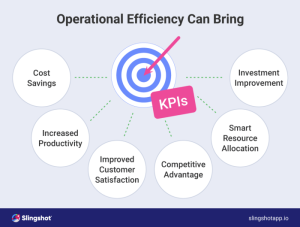
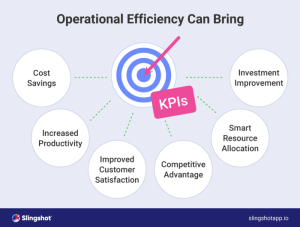
Operational efficiency is crucial for businesses as it directly impacts their bottom line. By improving efficiency, companies can reduce costs, increase productivity, and ultimately enhance their competitiveness in the market.
Strategies for Optimizing Operational Efficiency
- Implement Lean Six Sigma methodologies to identify and eliminate process inefficiencies.
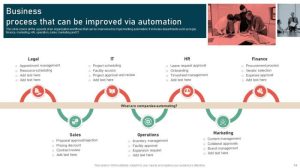
- Automate repetitive tasks using technology to minimize errors and reduce manual labor.
- Regularly monitor key performance indicators (KPIs) to track progress and identify areas for improvement.
- Invest in employee training and development to ensure staff are equipped with the necessary skills to perform their roles efficiently.
- Outsource non-core functions to specialized third-party providers to focus on core business activities.
In conclusion, Sustainability and Operational Efficiency go hand in hand, offering a roadmap for businesses to thrive sustainably while maximizing operational output. By embracing these principles, companies can achieve long-term success and contribute positively to the environment and society.
Question Bank
What are some common sustainable initiatives for improving operational efficiency?
Common sustainable initiatives include energy-efficient practices, waste reduction programs, and using eco-friendly materials in production processes.
How can operational efficiency lead to cost savings?
Operational efficiency reduces wastage, streamlines processes, and optimizes resource allocation, leading to lower production costs and higher profitability.