Starting with Operational Efficiency Strategies, this introductory paragraph aims to provide a compelling overview of the topic, highlighting its significance in improving business operations and performance.
It will delve into various key aspects such as cost reduction techniques, technology integration, and employee training to optimize operational efficiency.
Operational Efficiency Strategies
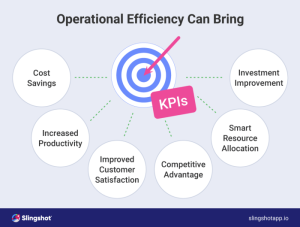
Operational efficiency refers to the ability of a business to utilize resources effectively in order to maximize output with minimal input. It plays a crucial role in improving productivity, reducing costs, and ultimately enhancing overall business performance.
Examples of Industries Benefiting from Operational Efficiency Strategies
Various industries can benefit from implementing operational efficiency strategies, including:
- Manufacturing: By streamlining production processes and optimizing supply chain management, manufacturing companies can reduce waste and improve their bottom line.
- Retail: Implementing efficient inventory management systems and optimizing store layouts can help retailers enhance customer satisfaction and increase sales.
- Healthcare: Improving patient flow, reducing wait times, and enhancing communication among healthcare providers can lead to better patient outcomes and cost savings.
Impact of Operational Efficiency on Overall Business Performance
Operational efficiency has a significant impact on the overall performance of a business. By implementing strategies to eliminate inefficiencies and improve processes, companies can:
- Enhance profitability by reducing operational costs and maximizing revenue.
- Improve customer satisfaction by delivering products or services more efficiently and effectively.
- Gain a competitive advantage in the market by being able to offer better quality products or services at a lower cost.
Cost Reduction Techniques
Implementing cost reduction techniques is essential for businesses to enhance operational efficiency and maximize profitability. Streamlining processes plays a crucial role in reducing operational costs by eliminating inefficiencies and optimizing resources effectively.
Automation of Routine Tasks
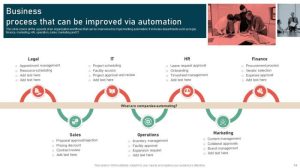
Utilizing automation tools and software can significantly reduce labor costs associated with repetitive and time-consuming tasks. By automating routine processes, businesses can improve productivity, accuracy, and efficiency, leading to cost savings in the long run.
Outsourcing Non-Core Functions
Outsourcing non-core functions such as IT support, accounting, or customer service can help businesses reduce operational costs by leveraging external expertise and resources. This allows companies to focus on their core competencies while cutting down expenses associated with maintaining in-house departments.
Implementing Lean Principles
Adopting lean principles involves identifying and eliminating waste in processes, whether it be excess inventory, overproduction, or unnecessary delays. By streamlining operations and optimizing workflows, businesses can reduce costs, enhance productivity, and deliver value to customers more efficiently.
Negotiating Better Supplier Contracts
Negotiating favorable terms with suppliers, such as discounts, rebates, or extended payment terms, can help businesses lower procurement costs and improve cash flow. By building strong relationships with suppliers and exploring cost-saving opportunities, companies can strategically reduce operating expenses.
Energy Efficiency Initiatives
Investing in energy-efficient technologies and practices can lead to significant cost savings in the long term. By optimizing energy consumption, businesses can reduce utility expenses, minimize environmental impact, and enhance sustainability efforts while improving operational efficiency.
Comparing and Contrasting Cost Reduction Strategies
Each cost reduction strategy has its unique advantages and challenges, depending on the nature of the business and industry requirements. While automation focuses on improving process efficiency, outsourcing emphasizes cost-effective resource allocation. Lean principles aim to eliminate waste, supplier negotiations target procurement expenses, and energy efficiency initiatives prioritize sustainability and long-term savings.
Technology Integration

Technology plays a crucial role in enhancing operational efficiency for businesses of all sizes. By leveraging the right technological tools, organizations can streamline processes, improve productivity, and reduce costs.
Examples of Technological Tools
- Enterprise Resource Planning (ERP) systems: These integrated software solutions help manage core business functions such as finance, HR, and supply chain, providing real-time data for better decision-making.
- Customer Relationship Management (CRM) software: CRM systems help businesses organize and track customer interactions, leading to improved customer satisfaction and retention.
- Workflow automation tools: Automation software simplifies repetitive tasks, reduces errors, and speeds up processes, leading to increased efficiency.
Challenges and Benefits of Technology Integration
Integrating technology into existing processes comes with its own set of challenges and benefits. While the initial investment and learning curve can be daunting, the long-term advantages are significant.
- Challenges:
- Resistance to change: Employees may be hesitant to adopt new technologies, requiring proper training and change management.
- Integration complexity: Ensuring seamless integration of different systems and data can be a complex and time-consuming process.
- Data security concerns: With the increasing reliance on technology, businesses must prioritize data security and privacy to protect sensitive information.
- Benefits:
- Improved efficiency: Technology streamlines operations, reduces manual tasks, and accelerates processes, leading to increased efficiency and productivity.
- Cost savings: By automating tasks and optimizing workflows, businesses can reduce operational costs and allocate resources more effectively.
- Enhanced decision-making: Access to real-time data and analytics enables informed decision-making, driving strategic growth and competitive advantage.
Employee Training and Development
Training employees is crucial for improving operational efficiency within an organization. By investing in employee development, companies can equip their workforce with the necessary skills and knowledge to perform their tasks effectively and efficiently, leading to overall productivity and success.
Methods for Identifying Training Needs
- Conducting skills assessments to identify gaps in knowledge or abilities.
- Seeking feedback from employees regarding areas where they feel they need additional training.
- Reviewing performance evaluations to pinpoint areas for improvement.
- Keeping up-to-date with industry trends and technological advancements to ensure employees are equipped with the latest skills.
Investing in Employee Development
Investing in employee development not only enhances individual skills but also contributes to increased operational efficiency. By providing training opportunities, companies can improve employee morale, reduce turnover rates, and ultimately boost productivity. Additionally, well-trained employees are better equipped to handle challenges, adapt to changes, and contribute to the overall success of the organization.
In conclusion, Operational Efficiency Strategies play a crucial role in driving business success by streamlining processes, leveraging technology, and investing in employee development.
Clarifying Questions
What is the importance of operational efficiency in business?
Operational efficiency is vital as it helps organizations reduce costs, improve productivity, and enhance overall performance.
How can technology integration benefit operational efficiency?
Technology integration can streamline processes, automate tasks, and provide real-time data insights, ultimately boosting operational efficiency.
Why is employee training essential for operational efficiency?
Training employees ensures they have the necessary skills to perform tasks efficiently, leading to improved operational processes and outcomes.