Starting with Operational Efficiency in Supply Chain, the discussion delves into the importance of optimizing processes to drive success in businesses and improve overall supply chain performance.
Exploring the key components and strategies for continuous improvement, this topic uncovers the critical role of technology and data analytics in achieving operational excellence.
Operational Efficiency
Operational efficiency in the context of supply chain management refers to the ability of a company to deliver products or services to customers in the most cost-effective manner possible while maintaining high quality standards. It involves streamlining processes, reducing waste, and optimizing resources to achieve maximum productivity.
Importance of Operational Efficiency
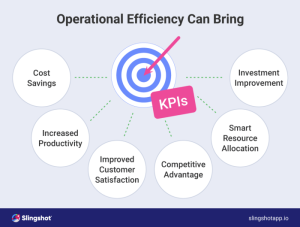
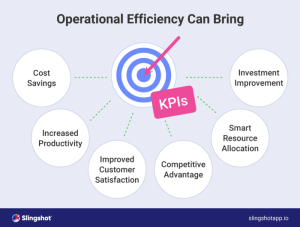
Operational efficiency is crucial for businesses as it directly impacts their bottom line and overall competitiveness in the market. By improving efficiency in supply chain processes, companies can reduce costs, increase customer satisfaction, and gain a competitive edge over their rivals.
Examples of Operational Efficiency in the Supply Chain
- Implementing advanced technology such as automated inventory management systems to reduce human error and improve accuracy.
- Utilizing data analytics to forecast demand more accurately, leading to better inventory management and reduced stockouts.
- Optimizing transportation routes to minimize fuel consumption and reduce transportation costs.
Benefits of Improving Operational Efficiency
- Cost Reduction: By streamlining processes and eliminating waste, companies can significantly reduce operational costs.
- Enhanced Customer Satisfaction: Improved efficiency leads to faster delivery times, better product quality, and overall customer satisfaction.
- Competitive Advantage: Companies that operate efficiently can offer competitive prices and better services, gaining an edge in the market.
Key Components of Operational Efficiency in the Supply Chain

Operational efficiency in the supply chain is essential for businesses to streamline their operations, reduce costs, and improve overall performance. Several key components contribute to achieving operational efficiency in the supply chain.
1. Technology in Supply Chain
Technology plays a crucial role in enhancing operational efficiency in the supply chain. The use of advanced software, automation, and tracking systems helps in optimizing processes, reducing errors, and increasing visibility throughout the supply chain.
2. Data Analytics
Data analytics is another critical component that can significantly improve operational efficiency. By analyzing large volumes of data, businesses can gain valuable insights into their supply chain operations, identify areas for improvement, and make data-driven decisions to enhance efficiency.
3. Inventory Management
- Implementing efficient inventory management practices helps in reducing excess inventory levels, minimizing stockouts, and optimizing storage space.
- Utilizing tools like Just-in-Time (JIT) inventory systems and ABC analysis can help in better managing inventory levels and improving overall efficiency.
4. Logistics and Transportation
- Optimizing transportation routes, utilizing multi-modal transportation, and implementing efficient warehousing practices can help in reducing transportation costs and improving delivery times.
- Using real-time tracking and monitoring systems can enhance visibility and control over logistics operations, leading to increased efficiency.
5. Supplier Relationship Management
- Building strong relationships with suppliers, establishing clear communication channels, and collaborating on process improvements can lead to better coordination and efficiency in the supply chain.
- Implementing vendor-managed inventory (VMI) systems and supplier scorecards can help in enhancing supplier performance and overall supply chain efficiency.
Continuous Improvement Strategies
Continuous improvement strategies play a crucial role in enhancing operational efficiency within the supply chain. By continuously evaluating and refining processes, companies can streamline operations, reduce waste, and improve overall performance.
Lean Manufacturing vs. Six Sigma
- Lean Manufacturing focuses on eliminating waste and maximizing value for the customer by optimizing processes and reducing non-value-added activities.
- Six Sigma, on the other hand, aims to reduce defects and variations in processes through data-driven decision-making and statistical analysis.
- While Lean Manufacturing emphasizes speed and efficiency, Six Sigma emphasizes quality and consistency.
- Both methodologies can complement each other when implemented together, combining the benefits of waste reduction and quality improvement.
Sustaining Operational Efficiency Improvements
- Regular monitoring and evaluation of key performance indicators (KPIs) to track progress and identify areas for further improvement.
- Continuous training and development programs to ensure employees are equipped with the skills and knowledge needed to maintain operational efficiency.
- Establishing a culture of continuous improvement where employees are encouraged to suggest and implement changes to enhance processes.
- Implementing regular audits and reviews to identify potential bottlenecks and inefficiencies in the supply chain.
Employee Training and Involvement
- Employee training is essential for ensuring that staff members understand their roles and responsibilities within the supply chain.
- By involving employees in the improvement process, companies can tap into the valuable insights and expertise of frontline workers.
- Empowering employees to make decisions and take ownership of their work can lead to increased motivation and efficiency.
- Regular communication and feedback mechanisms can help to keep employees engaged and informed about operational efficiency goals.
Challenges and Solutions
When striving for operational efficiency in the supply chain, companies often face various challenges that can hinder their progress. These challenges require strategic solutions to ensure smooth operations and optimal performance.
Common Challenges Faced
One common challenge is the lack of visibility and transparency across the entire supply chain, making it difficult to track products and identify potential bottlenecks. Additionally, inefficient inventory management practices can lead to overstocking or stockouts, impacting operational efficiency.
- Implementing advanced technologies such as RFID and IoT to enhance visibility and real-time tracking.
- Utilizing inventory management software to optimize stock levels and streamline inventory processes.
Impact of External Factors
External factors like global events, natural disasters, or geopolitical issues can disrupt the supply chain, causing delays and inefficiencies. These unforeseen circumstances require companies to be agile and adaptable to maintain operational efficiency.
- Developing contingency plans and risk management strategies to mitigate the impact of external disruptions.
- Building strong relationships with alternative suppliers to ensure a diversified and resilient supply chain network.
Case Studies
Several companies have successfully navigated challenges to improve operational efficiency in their supply chains. For example, Amazon has implemented robotics and AI technologies in its warehouses to enhance order fulfillment speed and accuracy. Walmart has optimized its transportation network by using data analytics to improve route planning and reduce transportation costs.
In conclusion, Operational Efficiency in Supply Chain is a vital aspect of modern business operations, with the potential to revolutionize supply chain management and drive sustainable growth.
Questions and Answers
What is the importance of operational efficiency in supply chain management?
Operational efficiency ensures streamlined processes, cost savings, and improved productivity throughout the supply chain.
How can companies sustain operational efficiency improvements over time?
By investing in employee training, embracing technology, and continuously seeking ways to enhance processes, companies can maintain operational efficiency in the long run.
What are some common challenges faced in achieving operational efficiency in the supply chain?
Challenges may include outdated technology, lack of data visibility, and resistance to change within the organization.
How do global events impact operational efficiency in the supply chain?
Global events such as natural disasters or political unrest can disrupt supply chains, highlighting the importance of building resilience and flexibility into operational strategies.