Starting with Operational Efficiency in Small Business, the discussion delves into strategies that can revolutionize how small businesses operate, ultimately leading to enhanced performance and cost-effectiveness.
Exploring the key aspects of streamlining processes, optimizing resources, and investing in employee training, this guide aims to equip small business owners with the tools needed to thrive in a competitive market.
Operational Efficiency
Operational efficiency in small businesses refers to the ability to maximize productivity and minimize waste in daily operations. It involves optimizing processes, utilizing resources effectively, and streamlining workflows to achieve business goals efficiently.
Examples of Operational Efficiency Benefits
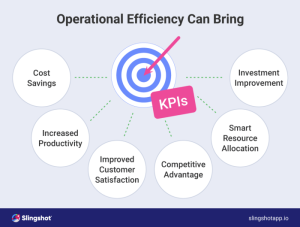
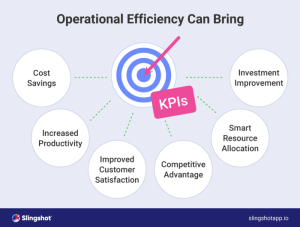
- Cost Reduction: By identifying and eliminating unnecessary expenses, small businesses can save money and improve their bottom line.
- Improved Customer Satisfaction: Streamlining processes can lead to faster service delivery and higher customer satisfaction levels.
- Increased Productivity: Efficient operations help employees work more effectively, leading to higher productivity levels within the organization.
Importance of Monitoring and Improving Operational Efficiency
Regularly monitoring and improving operational efficiency is crucial for small businesses to stay competitive and sustainable in the long run. By identifying areas for improvement and implementing changes, businesses can adapt to changing market conditions and customer demands, ultimately leading to continued success.
Streamlining Processes

Streamlining processes is crucial for improving operational efficiency in small businesses. By optimizing workflows and eliminating unnecessary steps, businesses can save time, reduce costs, and increase productivity.
Utilizing Automation Tools
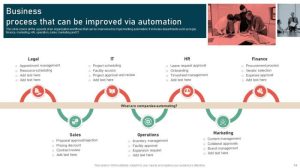
One effective strategy for streamlining business processes is to utilize automation tools. These tools can help automate repetitive tasks such as data entry, invoicing, and inventory management, freeing up employees to focus on more strategic tasks. By reducing manual work, businesses can operate more efficiently and accurately.
- Implementing customer relationship management (CRM) software to streamline sales and marketing processes.
- Utilizing project management tools to track progress and deadlines more effectively.
- Integrating accounting software to automate financial tasks and reporting.
Standardizing Processes
Standardizing processes is another key aspect of streamlining operations. By establishing clear and consistent procedures for tasks such as customer service, order fulfillment, and quality control, businesses can ensure that operations run smoothly and efficiently.
Standardizing processes helps eliminate confusion and reduce errors, leading to improved overall performance.
- Creating standardized templates for common documents and reports.
- Establishing clear guidelines for handling customer inquiries and complaints.
- Implementing quality control checkpoints at key stages of production.
Resource Optimization
Optimizing resources is crucial for small businesses to enhance operational efficiency. By effectively managing time, money, and manpower, businesses can reduce waste, improve productivity, and ultimately increase profitability.One key way to optimize resources is by streamlining processes and workflows. By identifying and eliminating bottlenecks, redundancies, and inefficiencies, businesses can save time and reduce costs. For example, automating repetitive tasks can free up employees to focus on more strategic activities, leading to improved productivity.Proper resource allocation is also essential in maximizing operational efficiency.
By assigning tasks based on employees’ skills and strengths, businesses can ensure that work is completed efficiently and effectively. This can prevent delays, errors, and rework, ultimately saving time and money.
Examples of Resource Optimization
- Implementing project management tools to track progress and deadlines, ensuring efficient use of time and resources.
- Outsourcing non-core functions such as payroll processing or IT support to specialized providers, reducing costs and freeing up internal resources.
- Cross-training employees to handle multiple tasks, enabling flexibility and agility in resource allocation.
Employee Training and Engagement
Training employees is crucial for enhancing operational efficiency in a small business. By providing the necessary skills and knowledge, employees can perform their tasks more effectively, leading to improved productivity and overall performance.Engaging employees in the process of improving operations can significantly boost efficiency. When employees feel involved and valued, they are more likely to actively contribute ideas for streamlining processes and optimizing resources.
This collaborative approach not only fosters a sense of ownership but also encourages innovation and continuous improvement.
Investing in Employee Development
Investing in employee development can have a positive impact on operational efficiency. By offering training programs, workshops, and opportunities for skill enhancement, employees become more adept at their roles and are better equipped to handle challenges. This results in a more competent workforce that can adapt to changing business needs and contribute to the overall success of the company.
- Providing regular training sessions on new technologies or software can help employees work more efficiently and stay up-to-date with industry trends.
- Encouraging cross-training among team members can ensure that tasks are not dependent on a single individual, reducing bottlenecks and improving workflow.
- Offering career development opportunities, such as leadership training or mentorship programs, can motivate employees to perform at their best and take on additional responsibilities.
In conclusion, Operational Efficiency in Small Business is not just a concept but a crucial factor that can make or break a company’s success. By implementing the right strategies and fostering a culture of continuous improvement, small businesses can unlock their full potential and achieve sustainable growth in the long run.
Clarifying Questions
How can small businesses measure their operational efficiency?
Small businesses can measure operational efficiency by analyzing key performance indicators (KPIs) such as revenue per employee, customer acquisition cost, and inventory turnover.
What are some common challenges small businesses face when trying to improve operational efficiency?
Common challenges include resistance to change from employees, lack of access to advanced technologies, and insufficient data for decision-making.
Why is employee training important for enhancing operational efficiency?
Employee training is crucial as it equips staff with the necessary skills to perform tasks efficiently, adapt to new processes, and contribute to overall business goals.