As Operational Efficiency in Retail takes center stage, this opening passage beckons readers with a captivating overview of how optimizing operations can lead to increased success and profitability in the retail sector. From streamlining processes to leveraging technology, the quest for operational efficiency is a cornerstone of sustainable growth in today’s competitive market.
In the following paragraphs, we will delve deeper into the strategies, technologies, and best practices that drive operational efficiency in retail, providing valuable insights for businesses looking to stay ahead of the curve.
Operational Efficiency Overview

Operational efficiency in the context of retail refers to the ability of a retail business to maximize output while minimizing input, wastage, and unnecessary costs. It involves streamlining processes, optimizing resources, and improving overall productivity.
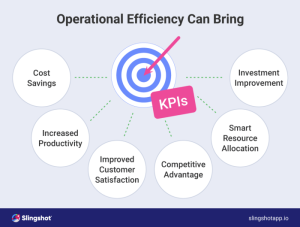
The importance of operational efficiency for retail businesses cannot be overstated. By enhancing operational efficiency, retailers can increase profitability, improve customer satisfaction, and gain a competitive edge in the market. Efficient operations lead to cost savings, faster service delivery, and better inventory management.
Examples of How Operational Efficiency Impacts Retail Performance
- Optimized Inventory Management: Retailers that implement efficient inventory management systems can reduce stockouts, minimize overstocking, and improve cash flow.
- Enhanced Customer Experience: Efficient operations enable retailers to provide quick and personalized service to customers, leading to higher satisfaction levels and repeat business.
- Cost Reduction: By streamlining processes and eliminating wastage, retail businesses can significantly reduce operational costs and improve overall profitability.
- Improved Employee Productivity: Operational efficiency allows employees to focus on value-adding tasks rather than wasting time on manual or redundant processes, leading to increased productivity.
Strategies for Improving Operational Efficiency
Improving operational efficiency is crucial for retail businesses to stay competitive and meet customer demands. By implementing effective strategies, businesses can streamline processes, reduce costs, and enhance overall productivity.
Utilizing Inventory Management Systems
- Implementing advanced inventory management systems can help retailers track stock levels, reduce overstocking or stockouts, and optimize replenishment processes.
- Automation of inventory management tasks can save time and minimize human errors, leading to improved accuracy and efficiency.
- Case Study: A clothing retailer implemented an inventory management system that allowed real-time tracking of stock levels, leading to a 20% reduction in excess inventory and a 15% increase in sales due to improved product availability.
Implementing Omni-Channel Retailing
- Integrating online and offline sales channels can provide customers with a seamless shopping experience and increase sales opportunities.
- Utilizing modern technologies such as mobile apps, websites, and social media platforms can enhance customer engagement and loyalty.
- Case Study: A department store chain successfully implemented omni-channel retailing, leading to a 30% increase in overall sales and customer satisfaction due to the convenience of shopping across multiple platforms.
Optimizing Supply Chain Management
- Streamlining supply chain processes, from sourcing raw materials to delivering products to customers, can reduce lead times and costs.
- Utilizing data analytics and forecasting tools can help retailers make informed decisions and improve demand planning.
- Case Study: A grocery retailer optimized its supply chain management by implementing route optimization software, resulting in a 25% reduction in transportation costs and improved on-time deliveries.
Technology Integration
In today’s digital age, technology integration plays a crucial role in enhancing operational efficiency in the retail sector. By leveraging various technologies, retailers can streamline their operations, improve customer experiences, and drive profitability.
Inventory Management Systems
Inventory management systems are essential tools that help retailers track and manage their stock levels effectively. These systems use barcode scanning, RFID technology, and real-time data updates to ensure accurate inventory counts. By automating inventory processes, retailers can reduce stockouts, prevent overstocking, and optimize their supply chain operations.
POS Systems
Point of Sale (POS) systems are another key technology that enhances operational efficiency in retail. These systems not only process transactions but also provide valuable insights into sales trends, customer preferences, and inventory levels. With features like integrated payment processing, customer loyalty programs, and sales reporting, POS systems enable retailers to make data-driven decisions and improve overall business performance.
CRM Software
Customer Relationship Management (CRM) software plays a vital role in improving customer relationships and driving sales growth. By capturing customer data, tracking interactions, and analyzing buying behaviors, CRM software helps retailers personalize their marketing efforts, target the right audience, and increase customer retention. With features like automated email campaigns, customer segmentation, and lead management, CRM software allows retailers to build stronger connections with their customers and enhance the overall shopping experience.
Employee Training and Development
Training and developing employees play a crucial role in increasing operational efficiency in the retail sector. By equipping staff with the necessary skills and knowledge, businesses can streamline processes, improve customer service, and ultimately boost overall productivity.
Examples of Training Programs
- Point of Sale (POS) System Training: Providing comprehensive training on how to effectively use the POS system can help employees process transactions faster and more accurately.
- Product Knowledge Sessions: Educating staff about the products they are selling can enable them to assist customers more efficiently and make informed recommendations.
- Customer Service Training: Teaching employees how to handle various customer scenarios can lead to smoother interactions and increased customer satisfaction.
Role of Employee Engagement
Employee engagement is vital in optimizing operational processes as it enhances motivation, morale, and commitment among staff members. Engaged employees are more likely to proactively seek ways to improve their work, collaborate effectively with colleagues, and contribute to a positive work environment. This, in turn, leads to higher levels of productivity and operational efficiency within the retail setting.
Supply Chain Management
Effective supply chain management plays a crucial role in enhancing operational efficiency within the retail sector. By optimizing the flow of goods from suppliers to customers, businesses can reduce costs, improve customer satisfaction, and streamline operations.
Impact of Supply Chain Disruptions
Supply chain disruptions, such as natural disasters, supplier issues, or transportation delays, can significantly impact operational efficiency in retail. These disruptions can lead to stockouts, delays in delivery, increased costs, and ultimately affect customer satisfaction. To mitigate these risks, retailers can implement strategies such as diversifying suppliers, creating contingency plans, and investing in technology to enhance visibility and agility in the supply chain.
Optimizing Inventory Management and Logistics
Proper inventory management and logistics are essential for improving operational efficiency in retail. By leveraging data analytics, retailers can accurately forecast demand, optimize inventory levels, and reduce carrying costs. Implementing efficient logistics processes, such as route optimization and warehouse automation, can help streamline operations and improve overall efficiency in the supply chain.
In conclusion, Operational Efficiency in Retail is not just a buzzword, but a strategic imperative for businesses aiming to thrive in a dynamic marketplace. By embracing innovation, investing in employee development, and optimizing supply chain management, retailers can pave the way for sustained success and enhanced customer satisfaction.
FAQ Corner
How can operational efficiency impact customer experience in retail?
Operational efficiency directly influences customer experience by ensuring timely service, accurate inventory management, and seamless transactions, ultimately leading to higher satisfaction levels.
What are some key challenges faced by retail businesses when implementing operational efficiency strategies?
Some common challenges include resistance to change from employees, lack of integration between systems, and the initial investment required to adopt new technologies.
How can retailers measure the effectiveness of their operational efficiency initiatives?
Retailers can track key performance indicators (KPIs) such as inventory turnover, order fulfillment time, and sales per square foot to gauge the impact of operational efficiency measures on their overall business performance.