Exploring the realm of Operational Efficiency in Manufacturing, this introduction delves into the importance of optimizing processes for maximum output, efficiency, and profitability. From defining key concepts to outlining strategies and KPIs, this topic offers a comprehensive guide to driving success in manufacturing operations.
Operational Efficiency in Manufacturing
Operational efficiency in manufacturing refers to the ability of a manufacturing facility to produce goods and services in the most cost-effective manner possible while maintaining high quality standards. It involves optimizing processes, reducing waste, and maximizing productivity.
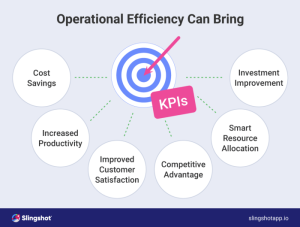
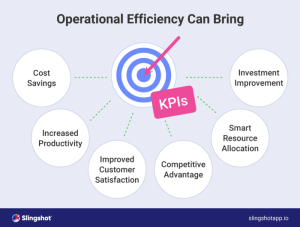
Importance of Operational Efficiency
Operational efficiency is crucial for manufacturing businesses for several reasons:
- Cost Reduction: By improving efficiency, manufacturing companies can reduce production costs, leading to increased profitability.
- Competitive Advantage: Efficient operations enable companies to offer competitive prices and better lead times, giving them an edge in the market.
- Resource Optimization: Efficient use of resources such as raw materials, labor, and energy helps in sustainability and environmental responsibility.
Impact of Operational Efficiency
Operational efficiency has a significant impact on the overall performance of a manufacturing facility:
- Improved Productivity: Efficient processes lead to higher output levels with the same resources, boosting overall productivity.
- Quality Control: Streamlined operations result in fewer defects and errors, ensuring consistent product quality.
- Shorter Lead Times: Efficient workflows reduce production lead times, allowing companies to respond quickly to customer demands.
Strategies for Improving Operational Efficiency

Improving operational efficiency in manufacturing is crucial for maximizing productivity and reducing costs. By implementing the right strategies, companies can streamline their processes and enhance overall performance. Let’s explore some effective strategies for achieving operational efficiency in manufacturing.
Utilizing Lean Manufacturing Principles
Utilizing Lean manufacturing principles is a popular strategy for improving operational efficiency. This approach focuses on eliminating waste, optimizing processes, and continuously improving operations. By implementing practices such as 5S, value stream mapping, and Just-in-Time production, companies can reduce lead times, minimize inventory, and enhance overall efficiency.
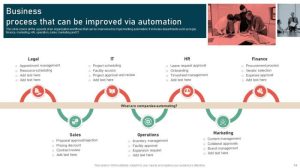
Implementing Technology and Automation
Implementing technology and automation can significantly improve operational efficiency in manufacturing. Automation of repetitive tasks, utilization of robotics, and integration of smart manufacturing technologies can help companies increase productivity, reduce errors, and improve quality control. For example, automating the assembly line can lead to faster production rates and fewer defects, ultimately enhancing operational efficiency.
Employee Training and Development
Investing in employee training and development is essential for improving operational efficiency. Well-trained employees are more productive, efficient, and engaged in their work. By providing continuous training programs, companies can ensure that their workforce has the necessary skills and knowledge to perform tasks effectively. This can lead to improved operational efficiency and better overall performance.
Regular Performance Monitoring and Continuous Improvement
Regular performance monitoring and continuous improvement are key strategies for enhancing operational efficiency. By tracking key performance indicators (KPIs), identifying bottlenecks, and implementing corrective actions, companies can optimize their processes and achieve better results. Continuous improvement initiatives, such as Kaizen events and Six Sigma projects, can help companies identify areas for improvement and make necessary changes to enhance operational efficiency.
Strategic Supplier Partnerships
Establishing strategic partnerships with suppliers can also contribute to improving operational efficiency in manufacturing. By working closely with suppliers to optimize supply chain processes, reduce lead times, and improve quality control, companies can streamline their operations and achieve cost savings. Collaborating with suppliers can help companies better meet customer demands and enhance overall operational efficiency.
Key Performance Indicators (KPIs) for Measuring Operational Efficiency
In manufacturing, Key Performance Indicators (KPIs) play a crucial role in measuring and improving operational efficiency. By tracking specific metrics, businesses can identify areas for enhancement and drive continuous improvement in their operational processes.
Common KPIs Used in Manufacturing
- Downtime: This KPI measures the amount of time equipment is not in operation due to maintenance, breakdowns, or changeovers. High downtime can indicate inefficiencies in production.
- Overall Equipment Effectiveness (OEE): OEE combines availability, performance, and quality to assess the productivity of equipment. It helps in pinpointing areas where performance can be optimized.
- Quality Yield: This KPI evaluates the percentage of defect-free products produced during manufacturing. Monitoring quality yield is essential in ensuring products meet customer expectations.
How KPIs Help in Identifying Areas for Improvement
KPIs provide a clear picture of the performance of manufacturing processes, highlighting bottlenecks, inefficiencies, and areas of improvement. By analyzing KPI data, businesses can identify root causes of issues and implement targeted solutions to enhance operational efficiency.
Driving Continuous Improvement with KPIs
KPIs drive continuous improvement by setting benchmarks for performance, tracking progress over time, and facilitating data-driven decision-making. By regularly monitoring KPIs, businesses can identify trends, make informed adjustments, and optimize their operational processes for increased productivity and profitability.
Technology and Tools for Enhancing Operational Efficiency
In today’s manufacturing landscape, leveraging technology and tools is crucial for optimizing operational efficiency. By incorporating advanced solutions like IoT, AI, and data analytics, companies can streamline operations, reduce waste, and enhance overall productivity.
Role of IoT in Optimizing Operational Efficiency
IoT (Internet of Things) plays a significant role in enhancing operational efficiency in manufacturing. By connecting machines, sensors, and devices, IoT enables real-time monitoring of production processes. This connectivity allows for predictive maintenance, reduced downtime, and improved decision-making based on data-driven insights.
AI’s Impact on Streamlining Operations
Artificial Intelligence (AI) is another powerful tool that can streamline operations in manufacturing. AI-powered algorithms can analyze vast amounts of data to identify patterns, optimize production schedules, and even predict equipment failures before they occur. This proactive approach helps companies operate more efficiently and effectively.
Data Analytics for Enhancing Productivity
Data analytics is essential for gaining actionable insights into manufacturing processes. By analyzing historical data, companies can identify bottlenecks, optimize workflows, and make informed decisions to boost productivity. Advanced analytics tools can also enable continuous improvement by monitoring KPIs and adjusting operations in real-time.
Examples of Technology Integration in Manufacturing
One prominent example of technology integration in manufacturing is the implementation of smart factories. These facilities leverage IoT, AI, and data analytics to create interconnected production systems that operate autonomously. By integrating these technologies, companies like Siemens and Bosch have revolutionized their operations, resulting in increased efficiency and cost savings.
In conclusion, Operational Efficiency in Manufacturing is a critical component for thriving in the competitive landscape of the industry. By leveraging technology, implementing effective strategies, and tracking key performance indicators, businesses can achieve sustainable growth and operational excellence.
FAQ Section
What is the importance of operational efficiency in manufacturing?
Operational efficiency is crucial in manufacturing as it streamlines processes, reduces waste, and ultimately enhances productivity and profitability.
How can technology integration improve operational efficiency?
By utilizing technologies like IoT and AI, manufacturing businesses can automate tasks, gather valuable data insights, and optimize operations for increased efficiency.
What role do KPIs play in measuring operational efficiency?
Key Performance Indicators help businesses track progress, identify areas for improvement, and make data-driven decisions to enhance operational processes.