Operational Efficiency Best Practices sets the stage for this enthralling narrative, offering readers a glimpse into a story that is rich in detail and brimming with originality. In today’s fast-paced business landscape, achieving operational efficiency is crucial for organizations looking to optimize their performance and stay competitive. This guide delves into the key components, strategies, and measurement techniques that can help businesses streamline operations and drive success.
What is Operational Efficiency?
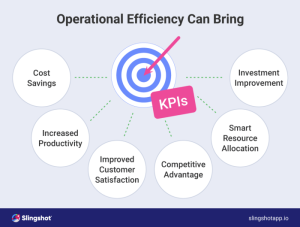
Operational efficiency refers to the ability of an organization to minimize input while maximizing output, ultimately leading to the effective utilization of resources. It is crucial for businesses as it helps in reducing costs, improving productivity, and enhancing overall performance.
Importance of Operational Efficiency
- Cost Reduction: By streamlining processes and eliminating waste, operational efficiency helps in reducing expenses related to production, labor, and resources.
- Improved Productivity: Efficient operations lead to increased productivity as tasks are completed in a timely manner with minimal errors or delays.
- Enhanced Customer Satisfaction: When processes are optimized, customers receive products or services faster and with higher quality, leading to improved satisfaction levels.
Examples of Operational Efficiency Impact
- Automation of repetitive tasks to save time and reduce human errors.
- Optimizing supply chain management to ensure timely delivery of goods.
- Implementing energy-efficient practices to reduce operational costs and environmental impact.
Key Components of Operational Efficiency Best Practices
Operational efficiency is crucial for the success of any organization. By identifying and implementing key components of operational efficiency best practices, businesses can streamline processes, reduce waste, and improve overall productivity. Technology plays a significant role in enhancing operational efficiency by automating tasks, providing real-time data insights, and enabling better decision-making. Below are some key components and examples of successful implementation of operational efficiency best practices:
Utilizing Data Analytics
Data analytics allows organizations to analyze large sets of data to identify trends, patterns, and areas for improvement. By leveraging data analytics tools, businesses can make informed decisions, optimize processes, and allocate resources more effectively.
Standardizing Processes
Standardizing processes involves creating uniform procedures for repetitive tasks, reducing variability, and minimizing errors. By establishing standardized workflows, organizations can increase efficiency, quality, and consistency in their operations.
Implementing Lean Principles
Lean principles focus on eliminating waste, improving flow, and maximizing value for customers. By implementing lean practices such as 5S, Kanban, and value stream mapping, businesses can reduce lead times, cut costs, and enhance overall efficiency.
Leveraging Automation
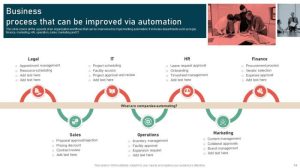
Automation involves using technology to perform repetitive tasks, streamline workflows, and reduce manual intervention. By automating routine processes like data entry, invoicing, and inventory management, organizations can save time, minimize errors, and boost productivity.
Continuous Improvement
Continuous improvement is an ongoing effort to enhance processes, products, and services incrementally. By fostering a culture of continuous improvement through initiatives like Kaizen events, cross-functional teams, and employee training, businesses can drive innovation, adapt to changing market demands, and stay competitive.
Strategies for Improving Operational Efficiency

Improving operational efficiency is crucial for businesses to stay competitive and maximize productivity. Here are some strategies to help identify inefficiencies, utilize data analysis, and streamline operations effectively.
Identifying Inefficiencies in Processes
Before making any improvements, it is essential to identify where inefficiencies lie within your processes. This can be achieved by conducting thorough process mapping, analyzing workflow bottlenecks, and gathering feedback from employees on pain points they encounter.
- Utilize tools like value stream mapping to visualize the flow of work and identify areas for improvement.
- Monitor key performance indicators (KPIs) to pinpoint underperforming processes that need attention.
- Encourage open communication among team members to uncover hidden inefficiencies and brainstorm solutions collectively.
The Role of Data Analysis in Improving Operational Efficiency
Data analysis plays a crucial role in improving operational efficiency by providing valuable insights into performance metrics and trends. Leveraging data analytics can help businesses make informed decisions and optimize processes for better outcomes.
“Data analysis helps businesses understand where they are wasting resources and how they can reallocate them for maximum efficiency.”
- Utilize business intelligence tools to gather, analyze, and interpret data for actionable insights.
- Implement predictive analytics to forecast future trends and proactively address potential inefficiencies before they impact operations.
- Regularly review and update data analytics strategies to ensure continuous improvement and adaptability to changing business needs.
Tips for Streamlining Operations to Enhance Efficiency
Streamlining operations involves optimizing workflows, eliminating redundancies, and enhancing communication to achieve peak efficiency. By simplifying processes and removing obstacles, businesses can operate more smoothly and effectively.
- Automate repetitive tasks to reduce manual errors and save time for employees to focus on higher-value activities.
- Establish clear workflows and standardized procedures to ensure consistency and minimize confusion or delays.
- Regularly evaluate and update technology solutions to leverage the latest tools and innovations that can enhance operational efficiency.
Measuring and Monitoring Operational Efficiency
In order to ensure that operational efficiency best practices are effective, it is crucial to measure and monitor performance consistently. This allows businesses to identify areas for improvement and track progress over time.
Methods for Measuring Operational Efficiency
- Cost Efficiency: Comparing input costs to output results can help determine how efficiently resources are being utilized.
- Time Efficiency: Analyzing the time taken to complete tasks or processes can indicate how well operations are running.
- Quality Efficiency: Evaluating the quality of products or services produced can show how efficient operations are in meeting customer expectations.
Importance of Setting KPIs to Monitor Operational Efficiency
Setting Key Performance Indicators (KPIs) is essential for monitoring operational efficiency as it provides clear benchmarks and goals for performance. KPIs help businesses track progress, identify areas of improvement, and ensure that objectives are being met effectively.
Tools and Techniques for Monitoring and Evaluating Operational Efficiency
- Dashboard Reporting: Utilizing dashboards that display key metrics in real-time can provide a quick overview of operational performance.
- Performance Scorecards: Creating scorecards that track KPIs and performance indicators can help visualize progress and areas needing attention.
- Process Mapping: Mapping out operational processes can identify bottlenecks and inefficiencies for targeted improvements.
- Employee Feedback: Gathering feedback from employees on operational processes can provide valuable insights for enhancing efficiency.
In conclusion, Operational Efficiency Best Practices are a cornerstone for businesses seeking to thrive in a dynamic environment. By implementing the strategies and best practices Artikeld in this guide, organizations can pave the way for improved efficiency, productivity, and overall success. Embracing operational efficiency is not just a choice but a necessity in today’s rapidly evolving business world.
Questions and Answers
What are some common challenges in achieving operational efficiency?
Common challenges include resistance to change, lack of proper training, and inadequate use of technology.
How can data analysis contribute to improving operational efficiency?
Data analysis helps identify bottlenecks, inefficiencies, and areas for improvement in processes, leading to more informed decision-making.
Why is it important to set KPIs for monitoring operational efficiency?
Key Performance Indicators (KPIs) provide a tangible way to measure progress, track performance, and ensure that operational efficiency goals are being met.