Kicking off with Operational Efficiency and Productivity, this introductory paragraph aims to provide a compelling overview of how optimizing operational processes can lead to improved productivity and overall business success. Exploring the key concepts and strategies, this topic delves into the crucial link between efficiency and profitability in today’s competitive landscape.
Operational Efficiency

Operational efficiency in a business context refers to the ability of a company to maximize output while minimizing input, thus achieving optimal productivity and cost-effectiveness. It involves streamlining processes, reducing waste, and utilizing resources efficiently to enhance overall performance.
Impact on Company’s Bottom Line
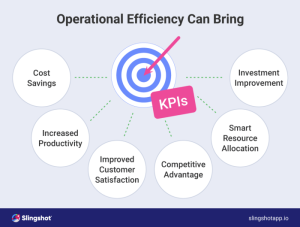
- Cost Savings: By improving operational efficiency, companies can reduce operational costs such as labor, materials, and overhead expenses, leading to increased profitability.
- Enhanced Productivity: Efficient processes result in higher productivity levels, enabling companies to produce more goods or services in less time, ultimately increasing revenue.
- Competitive Advantage: Companies that operate efficiently are better positioned to offer competitive prices, attract more customers, and gain market share.
Importance of Continuous Improvement
Continuous improvement is crucial in achieving and sustaining operational efficiency. It involves regularly evaluating processes, identifying areas for enhancement, and implementing changes to optimize performance. By continuously seeking ways to improve efficiency, companies can adapt to evolving market conditions, meet customer demands, and stay ahead of competitors.
Factors Affecting Operational Efficiency
Operational efficiency can be influenced by various factors that impact the overall effectiveness and productivity of a business. These factors are crucial in determining how smoothly and efficiently operations are carried out within an organization.
Key Factors Influencing Operational Efficiency
- Proper Resource Allocation: Ensuring resources such as manpower, materials, and equipment are allocated effectively based on operational needs.
- Streamlined Processes: Implementing streamlined processes and workflows to eliminate bottlenecks and reduce unnecessary steps.
- Effective Communication: Facilitating clear and open communication channels among teams and departments to avoid misunderstandings and delays.
- Data-Driven Decision Making: Leveraging data and analytics to make informed decisions that optimize operational performance.
Role of Technology and Automation in Enhancing Operational Efficiency
Technology and automation play a vital role in improving operational efficiency by streamlining processes, reducing human error, and increasing productivity. By adopting advanced technologies and automated systems, organizations can achieve greater accuracy, speed, and consistency in their operations.
Significance of Workforce Training and Development for Operational Efficiency
Effective training and development programs are essential for enhancing operational efficiency as they empower employees with the necessary skills and knowledge to perform their roles effectively. Investing in workforce training not only improves productivity but also boosts employee morale and engagement, leading to a more efficient and motivated workforce.
Strategies for Improving Operational Efficiency
Improving operational efficiency is crucial for businesses to stay competitive and profitable. By streamlining processes and adopting lean management principles, organizations can enhance productivity and reduce waste. Let’s explore some strategies that can help businesses improve operational efficiency.
Implementing Lean Management Principles
One of the best practices for improving operational efficiency is by implementing lean management principles. This approach focuses on eliminating waste, optimizing processes, and continuously improving operations. By identifying and eliminating non-value-added activities, businesses can reduce costs, improve quality, and enhance overall efficiency.
Streamlining Processes
To enhance operational efficiency, businesses should streamline processes by identifying bottlenecks, redundancies, and inefficiencies. By mapping out workflows, analyzing data, and identifying areas for improvement, organizations can optimize their operations and ensure smoother and more efficient processes.
Leveraging Technology
Another effective strategy for improving operational efficiency is by leveraging technology. By implementing automation, data analytics, and digital tools, businesses can streamline operations, improve decision-making, and enhance overall efficiency. Technology can help businesses automate routine tasks, reduce errors, and increase productivity.
Employee Training and Engagement
Investing in employee training and engagement is essential for improving operational efficiency. By providing employees with the necessary skills, knowledge, and tools, businesses can boost productivity, morale, and overall performance. Engaged employees are more likely to be motivated, efficient, and committed to achieving organizational goals.
Real-world Examples
- Toyota Production System: Toyota is renowned for its successful implementation of lean manufacturing principles, which has significantly improved operational efficiency and quality.
- Zara’s Fast Fashion Model: Zara’s efficient supply chain and production processes enable the company to quickly respond to market demands and reduce lead times.
- Amazon’s Fulfillment Centers: Amazon’s use of technology and automation in its fulfillment centers has revolutionized the e-commerce industry by enhancing operational efficiency and speed of delivery.
Measuring Operational Efficiency and Productivity
Measuring operational efficiency and productivity is crucial for organizations to assess their performance and identify areas for improvement.
Metrics and KPIs for Operational Efficiency
Organizations use various metrics and key performance indicators (KPIs) to measure operational efficiency, including:
- Overall Equipment Effectiveness (OEE): Measures the performance of equipment in manufacturing processes.
- Inventory Turnover Ratio: Calculates how many times a company’s inventory is sold and replaced in a specific period.
- Labour Productivity: Assesses the output per employee in a given time frame.
- Utilization Rate: Determines the extent to which resources are utilized in production processes.
Relationship between Operational Efficiency and Productivity
Operational efficiency and productivity are closely related. Higher operational efficiency leads to increased productivity as resources are utilized effectively, resulting in higher output with the same or fewer resources.
Benchmarking for Assessing Operational Efficiency
Benchmarking involves comparing an organization’s processes, performance metrics, and practices with those of industry leaders or competitors to identify areas for improvement. By benchmarking, organizations can gain insights into best practices and set targets for enhancing operational efficiency.
In conclusion, Operational Efficiency and Productivity are essential drivers for businesses looking to thrive in a rapidly evolving market. By implementing streamlined processes, leveraging technology, and fostering a culture of continuous improvement, organizations can achieve sustainable growth and stay ahead of the curve in today’s dynamic business environment.
Frequently Asked Questions
What is the significance of operational efficiency for businesses?
Operational efficiency is critical for businesses as it helps streamline processes, reduce costs, and enhance overall performance, leading to increased profitability.
How can technology improve operational efficiency?
Technology can enhance operational efficiency by automating tasks, improving communication, and providing real-time data for better decision-making.
Why is benchmarking important for assessing operational efficiency?
Benchmarking allows organizations to compare their performance against industry standards, identify areas for improvement, and set achievable goals to enhance operational efficiency.