Embark on a journey to enhance operational efficiency with a comprehensive guide filled with practical insights and proven strategies. Dive into the world of optimized processes and streamlined operations for organizational success.
Learn how businesses can leverage technology, employee training, and data analysis to achieve significant improvements in efficiency and ultimately boost their bottom line.
What is Operational Efficiency?

Operational efficiency refers to the ability of an organization to utilize its resources effectively in order to maximize output with minimal input. It involves streamlining processes, reducing waste, and optimizing productivity to achieve better results.
Importance of Operational Efficiency
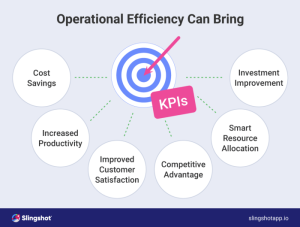
Operational efficiency is crucial for organizations as it directly impacts their bottom line. By improving efficiency, companies can reduce costs, increase profitability, and gain a competitive edge in the market. For example, a manufacturing company that implements lean principles to eliminate unnecessary steps in production can reduce lead times, minimize inventory costs, and improve overall performance.
Examples of Operational Efficiency in Action
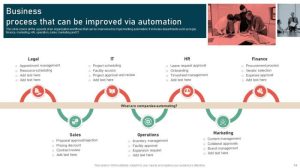
- Automating repetitive tasks: By implementing automation software, companies can reduce manual errors, increase speed, and free up employees to focus on more strategic tasks.
- Optimizing supply chain management: Efficiently managing the supply chain can lead to cost savings, faster delivery times, and better customer satisfaction.
- Implementing energy-saving initiatives: Companies that focus on energy efficiency not only reduce their environmental impact but also lower utility costs and improve sustainability.
- Utilizing data analytics: By analyzing data effectively, organizations can identify inefficiencies, make informed decisions, and drive continuous improvement.
Strategies for Improving Operational Efficiency
Improving operational efficiency is crucial for businesses to stay competitive and maximize productivity. There are several strategies that organizations can implement to streamline their operations and enhance efficiency.
Process Optimization
Process optimization involves analyzing and improving existing workflows to eliminate waste, reduce errors, and enhance overall efficiency. Here are the detailed steps on implementing process optimization:
- Identify key processes: Start by identifying the core processes that drive your business operations.
- Analyze current workflows: Conduct a thorough analysis of each process to identify bottlenecks, redundancies, and areas for improvement.
- Implement changes: Develop and implement solutions to optimize the identified processes, such as automating repetitive tasks or redesigning workflows.
- Monitor and measure: Continuously monitor the optimized processes and measure key performance indicators to ensure the improvements are effective.
- Iterate and improve: Regularly review and refine the optimized processes to adapt to changing business needs and ensure long-term efficiency gains.
Role of Technology
Technology plays a crucial role in streamlining operations and increasing efficiency. Here are some ways businesses can leverage technology to improve operational efficiency:
- Automation: Implementing automation tools can help streamline repetitive tasks, reduce human error, and save time.
- Data analytics: Utilize data analytics tools to gain insights into operational performance, identify areas for improvement, and make data-driven decisions.
- Cloud computing: Embracing cloud technology can enhance collaboration, scalability, and flexibility in operations, leading to improved efficiency.
- Integration of systems: Integrate different systems and tools to ensure seamless communication and data flow across departments, eliminating silos and improving overall efficiency.
- Employee training: Provide training to employees on how to effectively use technology tools and systems to maximize their potential and improve operational productivity.
Employee Training and Development
Investing in employee training is crucial for improving operational efficiency within an organization. By providing employees with the necessary skills and knowledge, they can perform their tasks more effectively and efficiently, leading to streamlined processes and increased productivity.
Examples of Successful Training Programs
- One successful training program implemented by Company ABC involved providing employees with advanced software training to improve data analysis capabilities. This resulted in faster decision-making processes and more accurate forecasting, ultimately leading to improved operational efficiency.
- Another example is Company XYZ’s leadership development program, which focused on enhancing communication and problem-solving skills among managers. As a result, the managers were better equipped to resolve conflicts and make strategic decisions, contributing to a more efficient workflow.
Importance of Continuous Learning
Continuous learning and development are essential for enhancing operational efficiency within an organization. As technologies and market trends evolve, employees must stay updated with the latest industry practices to remain competitive. By encouraging a culture of continuous learning, organizations can adapt to changes quickly, improve processes, and drive innovation.
Data Analysis and Metrics
Data analysis plays a crucial role in measuring and improving operational efficiency for businesses. By analyzing data, companies can identify areas of inefficiency, track performance, and make informed decisions to optimize operations.
Key Performance Indicators (KPIs)
Key performance indicators (KPIs) are essential metrics that businesses can use to track operational efficiency. Some examples of KPIs include:
- Overall Equipment Effectiveness (OEE): Measures the performance of equipment in production processes.
- On-Time Delivery: Tracks the percentage of orders delivered on time to customers.
- Inventory Turnover: Indicates how quickly inventory is sold and restocked.
- Revenue per Employee: Measures the revenue generated per employee, reflecting workforce productivity.
Leveraging Data for Informed Decisions
Businesses can leverage data to make informed decisions for optimizing operations by:
- Identifying trends and patterns in operational processes.
- Using predictive analytics to forecast future performance and potential bottlenecks.
- Implementing data-driven strategies to streamline workflows and increase efficiency.
- Utilizing real-time data monitoring to make quick adjustments and improvements.
In conclusion, the path to operational excellence lies in continuous improvement and adaptation to evolving business landscapes. By embracing innovative strategies and investing in employee development, organizations can pave the way for sustained growth and success.
Question Bank
How can businesses measure the impact of operational efficiency improvements?
Businesses can measure the impact by tracking key performance indicators (KPIs) related to efficiency gains, cost savings, and productivity enhancements.
Why is employee training crucial for enhancing operational efficiency?
Employee training leads to improved skills, increased productivity, and a better understanding of processes, all of which contribute to operational efficiency.
How does data analysis play a role in optimizing operations?
Data analysis helps businesses identify trends, inefficiencies, and areas for improvement, enabling informed decision-making and streamlined processes.