Exploring the realm of operational efficiency in business, this introduction sets the stage for a deep dive into strategies and techniques that can revolutionize the way companies operate.
From defining the concept to showcasing real-life examples, this discussion promises to be enlightening and informative for readers seeking to enhance their business operations.
Operational Efficiency

Operational efficiency in business refers to the ability of a company to deliver products or services to customers in the most cost-effective manner possible, without compromising quality. It involves optimizing processes, minimizing waste, and maximizing productivity.
Importance of Operational Efficiency
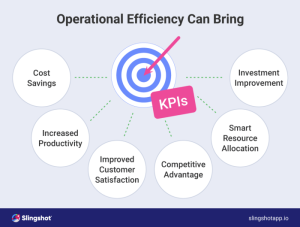
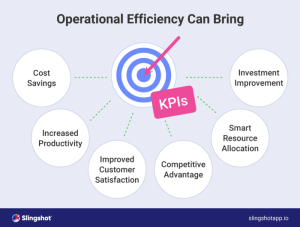
Operational efficiency is crucial for business success as it directly impacts the bottom line and overall performance of a company. Here are some reasons why operational efficiency is essential:
- Cost Reduction: By streamlining processes and eliminating inefficiencies, businesses can reduce costs and improve profitability.
- Enhanced Productivity: Efficient operations result in increased productivity, allowing companies to do more with less resources.
- Improved Customer Satisfaction: Delivering products or services promptly and efficiently leads to higher customer satisfaction and loyalty.
- Competitive Advantage: Companies that operate efficiently can respond quickly to market changes and stay ahead of competitors.
Examples of Operational Efficiency Impact
Let’s look at some examples of how operational efficiency can impact the overall performance of a company:
- Inventory Management: Optimizing inventory levels to reduce carrying costs and minimize stockouts can improve cash flow and profitability.
- Supply Chain Optimization: Streamlining supply chain processes can lead to faster delivery times, lower transportation costs, and better supplier relationships.
- Employee Training: Investing in training programs to enhance employee skills and knowledge can increase efficiency and reduce errors in operations.
Strategies for Boosting Operational Efficiency
Improving operational efficiency is crucial for businesses to stay competitive and maximize profitability. By implementing various strategies, companies can streamline processes, reduce waste, and enhance overall productivity.
Utilizing Technology
One of the most effective ways to boost operational efficiency is by leveraging technology. Implementing software solutions, automation tools, and data analytics can help streamline workflows, eliminate manual tasks, and improve decision-making processes.
- Investing in an enterprise resource planning (ERP) system to integrate and centralize business processes.
- Utilizing project management tools to track progress, allocate resources efficiently, and improve collaboration among team members.
- Implementing customer relationship management (CRM) software to enhance customer interactions and streamline sales processes.
Optimizing Supply Chain Management
Efficient supply chain management is essential for reducing costs, minimizing delays, and ensuring timely delivery of products or services. By optimizing supply chain processes, businesses can enhance operational efficiency and customer satisfaction.
- Implementing just-in-time inventory management to reduce excess inventory and storage costs.
- Establishing strong relationships with suppliers to ensure timely deliveries and minimize disruptions.
- Leveraging data analytics to forecast demand, identify trends, and optimize inventory levels.
Continuous Process Improvement
Adopting a culture of continuous improvement can help businesses identify inefficiencies, eliminate bottlenecks, and enhance overall performance. By encouraging employees to suggest and implement process improvements, companies can drive operational efficiency and innovation.
- Implementing lean practices to reduce waste, improve quality, and increase productivity.
- Conducting regular performance reviews and feedback sessions to identify areas for improvement and optimize processes.
- Encouraging cross-functional collaboration to streamline workflows, optimize resource allocation, and drive innovation.
Automation and Streamlining Processes
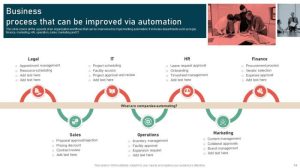
Automation plays a crucial role in streamlining business operations by reducing manual tasks, minimizing errors, and increasing overall efficiency. By automating repetitive and time-consuming processes, businesses can focus their resources on more strategic initiatives and improve productivity.
Tasks or Processes that can be Automated
- Accounting and bookkeeping: Automating financial processes such as invoicing, payroll, and expense tracking can save time and reduce errors.
- Customer relationship management (CRM): Using automated CRM systems can streamline customer interactions, lead management, and sales tracking.
- Inventory management: Automation can help optimize stock levels, reorder products automatically, and track inventory in real-time.
Benefits and Challenges of Implementing Automation
- Benefits:
- Increased efficiency: Automation eliminates manual tasks, reduces errors, and speeds up processes.
- Cost savings: By automating repetitive tasks, businesses can save time and resources, leading to cost reductions.
- Improved accuracy: Automation reduces the risk of human errors, ensuring data integrity and consistency.
- Challenges:
- Implementation costs: Setting up automation systems can require initial investment in software, hardware, and training.
- Integration issues: Ensuring seamless integration of automation tools with existing systems and processes can be complex.
- Resistance to change: Employees may be hesitant to adopt automation due to fear of job loss or changes in their roles.
Employee Training and Development
Investing in employee training and development plays a crucial role in enhancing operational efficiency within a business. By providing employees with the necessary skills and knowledge, organizations can improve productivity, reduce errors, and foster a culture of continuous improvement.
Upskilling and Reskilling Employees
Upskilling and reskilling employees involve enhancing their existing skills or teaching them new ones to meet the evolving demands of the business landscape. This process is essential for adapting to technological advancements, industry changes, and market trends. By upskilling and reskilling employees, businesses can ensure that their workforce remains competent, competitive, and capable of driving innovation.
- Identify Skills Gap: Conduct regular assessments to identify areas where employees need additional training or development.
- Provide Training Opportunities: Offer workshops, seminars, online courses, and on-the-job training to help employees acquire new skills and knowledge.
- Encourage Continuous Learning: Promote a culture of continuous learning where employees are encouraged to seek new opportunities for growth and development.
- Recognize and Reward Progress: Acknowledge and reward employees who actively engage in upskilling and reskilling activities to motivate others to do the same.
Creating a Culture of Continuous Learning
Fostering a culture of continuous learning within an organization is essential for driving employee development and improving overall business efficiency. By encouraging employees to engage in ongoing training and skill enhancement, businesses can stay ahead of the competition and adapt to changing market conditions.
Continuous learning is not just a personal responsibility but a strategic imperative for organizations looking to thrive in a rapidly changing business environment.
- Lead by Example: Senior leadership should actively participate in training programs to set a positive example for employees.
- Provide Learning Resources: Offer access to a variety of learning resources, such as e-learning platforms, mentorship programs, and knowledge-sharing sessions.
- Support Employee Growth Plans: Work with employees to create personalized development plans that align with their career goals and the needs of the organization.
- Promote Knowledge Sharing: Encourage employees to share their expertise and best practices with colleagues to foster a culture of collaboration and continuous improvement.
Data Analysis and Decision-Making
Data analysis plays a crucial role in identifying areas for operational improvement within a business. By examining various data points and metrics, organizations can pinpoint inefficiencies, bottlenecks, or areas of underperformance that need attention. This data-driven approach enables businesses to make informed decisions based on concrete evidence rather than relying on gut feelings or intuition.
Significance of Data Analysis
Data analysis allows businesses to gain valuable insights into their operations, helping them understand trends, patterns, and correlations that may not be immediately apparent. By analyzing data related to production processes, customer behavior, or supply chain management, companies can uncover opportunities for optimization and cost savings. For example, monitoring production line data can reveal inefficiencies that lead to production delays, enabling managers to implement targeted improvements for enhanced operational efficiency.
Data-Driven Decision-Making
Data-driven decision-making involves using data analysis to inform and guide strategic choices within an organization. By leveraging data insights, businesses can make decisions that are more accurate, timely, and aligned with their overarching goals. For instance, analyzing customer feedback data can help businesses identify preferences and trends, allowing them to tailor their products or services to better meet customer needs.
This targeted approach can result in increased customer satisfaction and loyalty, ultimately driving operational efficiency through improved customer retention and sales.
Tools and Techniques for Data Analysis
There are various tools and techniques available to businesses for data analysis that can help drive operational efficiency. From basic spreadsheet software to advanced analytics platforms, organizations can choose the tools that best suit their data analysis needs. For example, business intelligence tools like Tableau or Power BI enable companies to visualize and analyze data from multiple sources, providing valuable insights into performance metrics and KPIs.
Additionally, machine learning algorithms can be used to predict future trends and outcomes based on historical data, allowing businesses to proactively address operational challenges and capitalize on opportunities.
In conclusion, the journey through boosting operational efficiency in business unveils a world of possibilities for companies aiming to streamline processes, empower employees, and make data-driven decisions.
Essential Questionnaire
How can operational efficiency benefit a business?
Operational efficiency can lead to cost savings, improved productivity, and better customer satisfaction.
What are some common challenges in implementing automation for business operations?
Some challenges include initial costs, resistance from employees, and potential technical issues.
Why is data analysis crucial for enhancing operational efficiency?
Data analysis helps identify bottlenecks, inefficiencies, and areas for improvement within business processes.