Starting with Automation for Operational Efficiency, this introduction aims to provide a compelling overview of how automation can revolutionize business processes and drive success.
Automation plays a crucial role in enhancing operational efficiency by streamlining tasks, reducing errors, and boosting productivity across various industries.
Automation for Operational Efficiency

Automation plays a crucial role in enhancing operational efficiency by utilizing technology to streamline processes and tasks within a business or organization. By automating repetitive and time-consuming activities, companies can optimize resources, reduce errors, and improve overall productivity.
Examples of Automation Streamlining Processes
- Automating data entry tasks to minimize human error and speed up data processing.
- Implementing automated inventory management systems to track stock levels and reorder supplies when needed.
- Utilizing automated email marketing campaigns to target specific customer segments with personalized messages.
Benefits of Implementing Automation
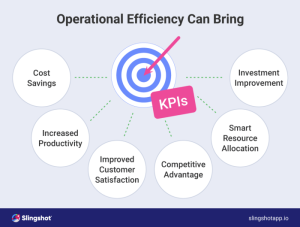
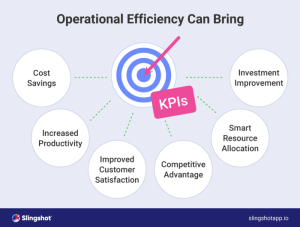
- Increased efficiency: Automation can complete tasks faster and with fewer errors than manual processes, leading to improved operational efficiency.
- Cost savings: By reducing the need for manual labor, businesses can lower operational costs and allocate resources more effectively.
- Enhanced accuracy: Automation minimizes the risk of human error, ensuring consistent and accurate results in various industries.
Automation Reducing Errors and Boosting Productivity
- A manufacturing plant using robotic arms for assembly can reduce errors in production and increase output capacity.
- An online retailer implementing automated order processing can fulfill customer orders faster and more accurately, leading to improved customer satisfaction.
- A financial institution automating transaction monitoring can detect fraudulent activities more efficiently, protecting both the company and its clients.
Types of Automation Technologies
Automation technologies play a crucial role in improving operational efficiency across various industries. Let’s explore some of the common types of automation technologies used for this purpose.
Robotic Process Automation (RPA) vs Artificial Intelligence (AI)
- Robotic Process Automation (RPA): RPA involves the use of software robots to automate repetitive tasks, such as data entry, form filling, and invoice processing. It focuses on mimicking human actions to streamline workflows and reduce manual intervention.
- Artificial Intelligence (AI): AI encompasses technologies like machine learning, natural language processing, and computer vision to perform cognitive tasks. AI systems can analyze data, make decisions, and adapt to changing scenarios, leading to more intelligent automation solutions.
Internet of Things (IoT) for Automation
- IoT Devices: IoT devices are interconnected smart devices embedded with sensors and communication capabilities. These devices can collect and transmit data in real-time, enabling automation of processes like predictive maintenance, asset tracking, and inventory management.
- Automation Benefits: Leveraging IoT devices allows organizations to monitor operations remotely, optimize resource utilization, and enhance decision-making based on real-time insights.
Role of Machine Learning Algorithms
- Enhancing Automation: Machine learning algorithms enable systems to learn from data, identify patterns, and make predictions without explicit programming. By incorporating machine learning into automation processes, organizations can achieve greater accuracy, efficiency, and scalability.
- Applications: Machine learning algorithms are used in various automation applications, such as demand forecasting, fraud detection, personalized recommendations, and autonomous decision-making.
Implementing Automation Strategies
Implementing automation strategies is crucial for enhancing operational efficiency within organizations. By carefully planning and executing automation initiatives, businesses can streamline processes, reduce errors, and improve overall productivity.
Developing a Successful Automation Strategy
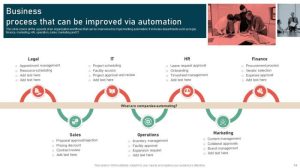
- Identify key areas for automation: Conduct a thorough analysis of operational processes to pinpoint tasks that can benefit from automation.
- Set clear objectives: Define specific goals and outcomes that automation should achieve, such as reducing turnaround time or increasing accuracy.
- Invest in the right technology: Choose automation tools and software that align with your organization’s needs and capabilities.
- Train employees: Provide training and support to ensure that staff are equipped to work alongside automated systems effectively.
- Monitor and evaluate: Continuously assess the performance of automation solutions and make adjustments as needed to optimize results.
Key Performance Indicators (KPIs) for Measuring Automation Effectiveness
- Time saved: Measure the time saved on tasks that have been automated compared to manual processes.
- Error reduction: Track the decrease in errors or rework resulting from automation implementation.
- Cost efficiency: Evaluate cost savings achieved through automation, such as reduced labor costs or improved resource utilization.
- Productivity gains: Assess the increase in productivity levels due to streamlined processes and faster task completion.
Challenges and Solutions in Implementing Automation
- Resistance to change: Address employee concerns and provide training to ensure a smooth transition to automated systems.
- Integration complexities: Work closely with IT teams to integrate automation tools seamlessly into existing workflows.
- Data security risks: Implement robust security measures to protect sensitive data and mitigate potential risks associated with automation.
- Scalability issues: Plan for scalability from the outset to accommodate future growth and expansion of automated processes.
Seamless Integration of Automation into Workflows
To integrate automation seamlessly into existing workflows, organizations should:
- Map out current processes and identify automation opportunities.
- Collaborate with cross-functional teams to ensure alignment and buy-in for automation initiatives.
- Gradually implement automation in stages to minimize disruptions and allow for testing and optimization.
- Continuously monitor and refine automated workflows to ensure ongoing efficiency and effectiveness.
Impact of Automation on Operational Efficiency
Automation plays a crucial role in enhancing operational efficiency by optimizing resource allocation, improving workforce management, reducing costs, and increasing profit margins. It also enables faster decision-making and response times in business operations. Real-life case studies further highlight the significant improvements achieved through automation.
Optimizing Resource Allocation and Workforce Management
Automation streamlines processes, allowing for better utilization of resources and workforce. By automating repetitive tasks, employees can focus on more strategic activities, leading to increased productivity and efficiency.
Reducing Operational Costs and Increasing Profit Margins
Automating routine tasks reduces the need for manual labor, resulting in cost savings for businesses. Additionally, automation helps in minimizing errors and improving overall process efficiency, ultimately leading to higher profit margins.
Faster Decision-Making and Response Times
Automation provides real-time data and analytics, enabling businesses to make informed decisions quickly. This agility in decision-making and response times enhances operational efficiency, especially in dynamic and fast-paced environments.
Real-Life Case Studies
Companies across various industries have reported significant improvements in operational efficiency through automation. For example, a manufacturing company implemented robotic process automation to streamline production processes, resulting in a 30% reduction in production time and a 20% increase in output.
Wrapping up our discussion on Automation for Operational Efficiency, it’s evident that embracing automation can lead to significant improvements in resource management, cost reduction, and overall business performance.
Detailed FAQs
How can automation benefit business operations?
Automation can streamline processes, reduce errors, and increase productivity, leading to improved operational efficiency.
What are some common challenges in implementing automation?
Organizations may face challenges such as resistance to change, integration issues, and the need for upskilling employees to adapt to automated processes.