Dive into the realm of Agile Operational Efficiency, where the fusion of Agile methodologies with operational processes creates a dynamic landscape of enhanced productivity and streamlined operations. This introduction sets the stage for exploring the transformative power of Agile practices in optimizing business efficiency and effectiveness.
Explore how Agile principles revolutionize the way organizations operate, paving the path for innovation and continuous improvement in operational functions.
Agile Operational Efficiency

Agile Operational Efficiency is a methodology that focuses on improving the efficiency and effectiveness of operational processes through the implementation of Agile principles. By incorporating Agile practices into daily operations, organizations can adapt more quickly to changing circumstances, deliver value to customers faster, and continuously improve their processes.
Examples of Agile Methodologies for Operational Efficiency
- Scrum: By breaking down work into smaller, manageable tasks and holding regular stand-up meetings, teams can increase transparency, collaboration, and productivity.
- Kanban: Visualizing work through a Kanban board helps teams prioritize tasks, limit work in progress, and identify bottlenecks in the process for smoother workflow.
- Lean: Eliminating waste, optimizing resources, and focusing on value delivery are key aspects of Lean methodology that can enhance operational efficiency.
Benefits of Implementing Agile Practices
- Increased flexibility: Agile methodologies allow teams to adapt quickly to changing requirements and priorities, resulting in faster response times and improved decision-making.
- Enhanced collaboration: By promoting cross-functional teams and frequent communication, Agile practices foster collaboration, creativity, and innovation within the organization.
- Continuous improvement: With regular feedback loops and iterative cycles, Agile enables teams to identify areas for improvement and make incremental enhancements to processes over time.
Applying Agile Principles to Enhance Operational Processes
- Iterative development: Breaking down projects into smaller iterations allows for incremental progress, feedback incorporation, and course correction as needed.
- Empowered teams: Encouraging self-organization, autonomy, and decision-making empowers teams to take ownership of their work and deliver results more efficiently.
- Customer focus: Prioritizing customer needs, feedback, and value delivery ensures that operational processes align with customer expectations and drive business outcomes.
Operational Efficiency
Operational efficiency in a business context refers to the ability of an organization to deliver products or services in the most cost-effective manner while maintaining high quality standards. It involves streamlining processes, optimizing resources, and minimizing waste to achieve maximum output with minimum input.
Key Factors for Operational Efficiency
- Effective Process Management: Implementing efficient workflows and procedures to eliminate bottlenecks and optimize productivity.
- Resource Utilization: Maximizing the use of available resources, including time, money, and manpower, to achieve desired outcomes.
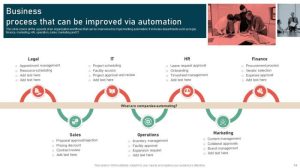
- Technological Integration: Leveraging technology and automation to streamline operations and reduce manual errors.
- Ongoing Training and Development: Investing in employee skills and knowledge to enhance performance and efficiency.
Importance of Operational Efficiency
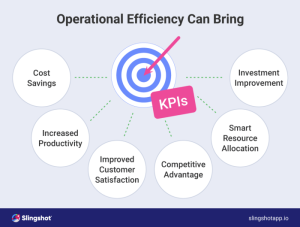
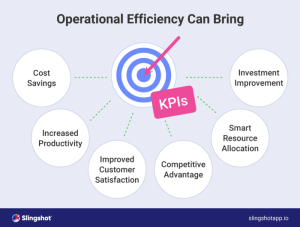
Operational efficiency is crucial for business success as it directly impacts profitability, customer satisfaction, and overall competitiveness in the market. By improving efficiency, organizations can lower costs, increase productivity, and deliver better products or services to customers, ultimately leading to sustainable growth and long-term success.
Strategies for Measuring and Optimizing Operational Efficiency
- Key Performance Indicators (KPIs): Establishing relevant KPIs to track and measure operational performance, such as production output, cycle times, and resource utilization.
- Continuous Improvement: Implementing a culture of continuous improvement to identify bottlenecks, inefficiencies, and areas for optimization on an ongoing basis.
- Lean Methodologies: Applying lean principles to eliminate waste, reduce lead times, and improve overall efficiency in processes and operations.
- Technology Adoption: Embracing digital tools and software solutions to automate tasks, improve accuracy, and enhance operational effectiveness.
In conclusion, Agile Operational Efficiency emerges as a cornerstone for modern businesses seeking to adapt, evolve, and thrive in a rapidly changing environment. By embracing Agile methodologies, organizations can unlock new levels of operational excellence and drive sustainable growth in today’s competitive landscape.
FAQ Section
What is the primary goal of Agile Operational Efficiency?
The primary goal is to streamline operational processes by integrating Agile methodologies, fostering adaptability, and maximizing efficiency.
How can Agile practices benefit operational efficiency?
Agile practices promote collaboration, flexibility, and rapid iterations, leading to improved productivity, quality, and responsiveness within operations.
Why is measuring operational efficiency important?
Measuring operational efficiency helps businesses identify areas for improvement, track progress, and make data-driven decisions to optimize performance and resource utilization.